Man With Van in Enfield Town

Man With Van Enfield Town provides practical removals support for homes, flats and small businesses that need a straightforward way to move furniture, boxes and mixed household items. The service is centred on careful loading, sensible vehicle use and clear communication, so customers can arrange a move that fits the size of the job without overcomplicating it. Where a full removals crew is not necessary, a man and van approach can be a useful middle ground.
Our work usually suits local and regional moves, furniture transport and smaller relocation tasks where access, parking or item handling need a coordinated plan. We can move single items, a few bulky pieces or a more complete load, depending on what is being taken and how it needs to be handled. If you are comparing options, consider the amount of lifting involved, the fragility of the items and whether you need help at both ends of the journey. For a clearer idea of the kinds of jobs we cover, see our man and van service information.
Before asking for a price, it helps to note the main items, the collection point, the destination and any stairs, tight hallways or awkward access. If you can describe whether the load includes beds, wardrobes, white goods or fragile boxes, it is easier to match the vehicle and handling needed. Good details lead to a more accurate quote, and they also help avoid unnecessary delays on the day. When you are ready, request a quotation and give as much practical information as you can.
What a man and van service can cover
A man with van arrangement is often chosen because it offers flexibility. It can cover part-load moves, student moves, furniture delivery, collections from storage and short-notice transport for items that are too large for a car. The service is also useful when the work involves only a few rooms’ worth of belongings rather than a whole-house removals team. For a broader overview of moving support, our removal services page sets out the wider types of jobs that can be organised.
Different customers need different levels of help, so we can shape the move around what is actually being transported. Some jobs only need a vehicle and loading support. Others require careful dismantling, wrapping or extra caution around furniture finishes and boxed household goods. When items need to be carried through communal entrances or narrow internal routes, planning the route in advance matters. If you want to compare the options for larger domestic jobs, the home moves page is a useful place to start.
Typical man and van work may include:
- single-item or multi-item furniture transport
- smaller flat and house moves
- student and shared-house relocations
- storage unit collections and deliveries
- light business or office transport
- movements that need careful loading in a smaller vehicle
Household moves and room-by-room transport

Many enquiries involve household items that do not justify a large-scale removals operation, yet still need proper handling. That can include boxes, bedside cabinets, small appliances, soft furnishings and dismantled furniture. A sensible approach is to separate the load into what must travel together and what can be carried in stages. This is especially helpful when the destination is a flat, a shared property or a home with limited outside space. More structured domestic moves are described on our house removals page.
When customers only want a few pieces moved, the challenge is often about weight, shape and access rather than quantity. A sofa may be manageable in one property and awkward in another because of stair width, turning space or hallway layout. Tall wardrobes, mattresses and tables may also need protective treatment or limited dismantling before loading. For a service that is focused on the movement of individual items, our furniture pick-up page explains that side of the work in more detail.
Room-by-room transport can be a sensible way to organise a smaller move because it keeps decisions practical. Start with the pieces that are essential, then add any remaining items that should travel in the same trip. That keeps the vehicle choice and loading order straightforward. If you are weighing up how much should move at once, it can be useful to compare the items that are staying, the items that are being sold and the items that still need to be carried carefully.
Packing support and careful handling
Some customers know exactly what they want transported but prefer not to spend time packing everything themselves. In those cases, packing and unpacking support can reduce the pressure around fragile items, mixed household contents and awkwardly shaped belongings. It also helps when boxes contain a combination of kitchenware, books, ornaments and seasonal items that need different levels of protection. You can read more about that service on our packing and unpacking services page.
Good packing starts with sensible grouping. Heavier items should sit in small, sturdy boxes rather than overfilled containers, while fragile pieces benefit from padding and firm closure. Furniture may need blankets, wraps or disassembly depending on the route and the condition of the item. We do not assume that every move needs the same packing method. Instead, we look at what is being moved and how it can be protected in transit without making the job more complicated than necessary.
Use clear labels, separate essentials and keep breakables easy to identify. That advice is especially helpful when several rooms are involved or when you are moving into temporary accommodation and need certain items quickly to hand. Keep an eye on power leads, chargers, mirrors and glass shelves, because those smaller parts are often the easiest to overlook. If the packing stage is the main concern, it is usually better to plan it early rather than treat it as an afterthought.
Office and commercial collections

Not every job is a domestic move. A man with van service can also be used for office items, archived boxes, desks, shelving, displays and other business equipment that needs transporting without a full relocation team. These jobs often rely on timing, building access and the ability to keep items in a clear order from collection to delivery. For a dedicated view of this type of work, see our commercial moves page.
Smaller workplaces may need practical help with relocations between floors, storage transfers or occasional furniture movements as part of an internal reorganisation. In those cases, the service is less about scale and more about keeping the business routine workable. Careful labelling and sensible sequencing can be just as important as physical lifting, especially when IT accessories, files or display items are mixed with heavier furniture. Our office removals page gives a fuller overview of office-based moving support.
Commercial transport often benefits from clear scheduling, particularly when access is shared with customers, staff or other tenants. If items need to be moved around opening hours or building rules, it is worth describing that at the outset. That allows the moving plan to reflect the site rather than force the site to fit the plan. A well-organised collection can keep the process tidy, predictable and easier to hand over at the destination.
Access, loading and route planning
The practical side of a man with van job often depends on access more than anything else. Narrow streets, basement entrances, upper-floor flats and restricted parking can all influence how the move is arranged. It is sensible to think about where the van can stop, how far items must be carried and whether there are any lift restrictions or one-way routes inside the property. That information affects both the time needed and the handling plan.
We also consider whether items can be moved in one piece or should be dismantled first. Beds, wardrobes and large tables often become easier to handle once they are broken into manageable parts, while some appliances need to stay upright or be secured in a certain way. When the route is simple, the job is usually quicker and easier to organise. When the route is less straightforward, the task still works best if the access details are known in advance.
If you are putting together a shortlist of what to include in your enquiry, keep it focused on the practical facts. A simple note of the item count, the floor level, the distance from door to vehicle and any heavy or fragile pieces is usually enough to begin. That kind of detail helps shape an accurate response and avoids back-and-forth. Clarity at the start makes the move easier to manage.
Why customers choose this type of move
A man and van service is often chosen for its adaptability. It can fit around smaller homes, short journeys, partial loads and single-item transport without the overhead of a larger removal setup. That makes it useful when the job is real and substantial, but not large enough to justify a complex move. For customers comparing vehicle options, the moving van page describes one of the key transport choices available on this site.
There are also jobs where the important factor is not the number of items but the character of the load. Antique furniture, boxed personal belongings, office monitors, artwork, mirrors and dismantled household pieces all need a sensible loading order. A smaller moving team can still provide an orderly and careful service when the items are matched to the right vehicle and handled in the right sequence. If you are planning a house move with more general support, our man and van removals page may be useful as a broader reference point.
Some customers want help because the move is temporary, some because it is permanent, and some because they simply need a dependable way to shift items between addresses. Whatever the reason, the commercial value of the service lies in keeping things practical. It should be straightforward to explain what is going, where it needs to go and how carefully each item has to be treated.
About Enfield Town
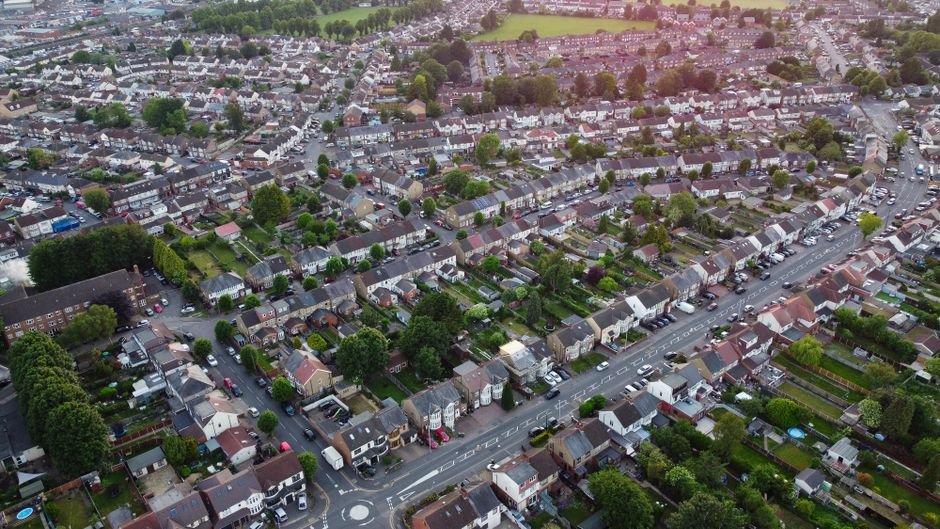
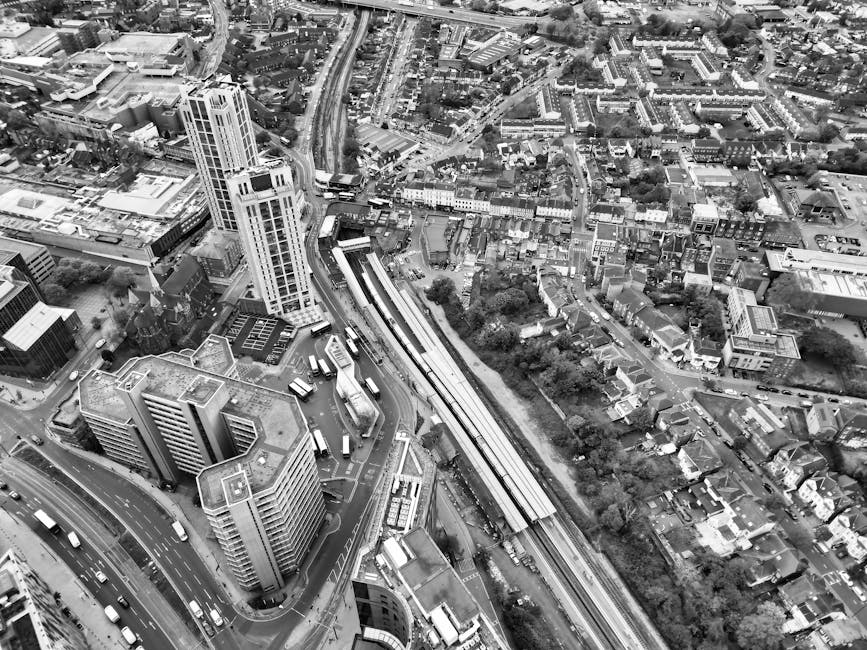
Enfield Town is the historic core of the wider borough of Enfield in north London, and it developed around a former market town rather than as a modern planned district. Its character still reflects that older settlement pattern, with a central high street, civic buildings and a mix of residential streets spreading away from the retail and administrative centre. The area is closely associated with Enfield Town railway station, the town centre shopping streets and the long-established local role of Chase Green and the surrounding public spaces. Enfield Town Park is one of the best-known green areas nearby, while Forty Hall and its parkland lie a little to the north, linking the town to a wider landscape of historic estates and open ground.
The place also has a varied architectural mix. Older terraces, interwar housing and later infill development sit alongside commercial buildings and civic facilities, giving the area a layered look that reflects different phases of growth. Trinity Church and the surrounding historic streets add to the sense of continuity, while the market tradition and local shopping streets provide an everyday public life that is still strongly centred on the town core. The built environment is shaped by routes leading toward the rest of north London as well as by the borough’s own administrative and social functions. In practice, that means the town retains the feel of a local centre even as it forms part of a larger metropolitan area.
Enfield Town’s identity is also tied to its access to open space and its links with the Lea Valley and other parts of north-east London. The combination of town-centre activity, historic streets, parks and commuter connections gives it a distinct place within the borough. Its name is often used in everyday speech to mean the centre itself, but it also sits within a broader district made up of surrounding neighbourhoods and older settlement patterns. That blend of civic role, history and green surroundings gives Enfield Town a character that is both practical and recognisably local.
Pricing factors and quotation details

Because every move is different, the price of a man with van job is usually shaped by a small set of practical factors rather than by a fixed template. Distance matters, but so do loading time, access, the number of items, whether anything must be dismantled and whether the job involves waiting, multiple stops or difficult parking. A smaller collection can still take time if the access is tight, while a longer journey may be efficient if the load is ready and straightforward.
It is useful to think about the quote as a plan for the work rather than a quick label on the move. That means explaining what is being transported, how much help is needed at each end and whether there are any items that require special handling. If you want a broader idea of how quotes are handled, our pricing and quotes page sets out the general approach. Accurate information is the best starting point for a practical response.
When you send an enquiry, include the collection and delivery areas, floor levels, whether the items are boxed or loose, and whether the job has a preferred day or time window. If there are several pieces of furniture, note the largest or most difficult ones first. That gives a clearer picture of the lifting and vehicle space needed. Request a quotation when you have the practical details together, and keep the note concise but complete.
House removals and larger moving needs
Some customers begin with a man and van search and then realise the job is larger than expected. In those cases, it helps to look at the broader moving options available on the site so the service matches the size of the move. A full property relocation may need more planning, more time or a different vehicle arrangement than a straightforward collection. Our house movers page is useful if you want to compare that kind of support with a smaller transport job.
Even when the move is not large, the same careful thinking still applies. Bulky items may need protection, small items may need grouping and awkward loads may need extra space. The benefit of a flexible service is that it can be adjusted to the task without turning every move into a large production. For general support from a wider removals provider, the removal company page offers another route into the services available here.
Plan the move around the items, not just the address. A simple address-to-address view can miss the most time-consuming part of the job, which is often the handling of the furniture itself. By identifying the heaviest, tallest or most fragile pieces early, you make it easier to decide what needs dismantling, what needs wrapping and what can travel as-is. That approach keeps the job practical from the start.
Storage, one-off deliveries and final arrangements

Man with van work is also commonly used for storage moves and one-off deliveries. These jobs may involve shifting items in or out of a unit, taking furniture to a new address, or collecting purchases that are too large for a standard car. The main advantage is that the service can be organised around the exact load rather than around a larger moving template. If you are moving between storage and a home, that can be a simple and efficient way to complete the task.
For delivery-style work, the key question is usually whether the item is ready to travel. Flat-packed furniture, boxed household goods and pre-wrapped items are often quicker to load than loose or assembled pieces. If the job involves collection from a seller, warehouse or storage facility, make sure the access rules and handover details are understood. That keeps the process smooth and avoids confusion on arrival. Contact us when you are ready to discuss the load and the destination.
We aim to keep the final stage simple: identify the items, confirm the access and agree the move. Whether the task is one heavy item, a set of boxes or a modest household load, a clear plan makes the day easier for everyone involved. If you need help deciding what should go in the vehicle and what should stay behind, start with a brief list and build from there. Then you can request a quotation with confidence and move on to the practical arrangements.