Enfield Town station removals guide for tight access moves
Posted on 09/06/2026
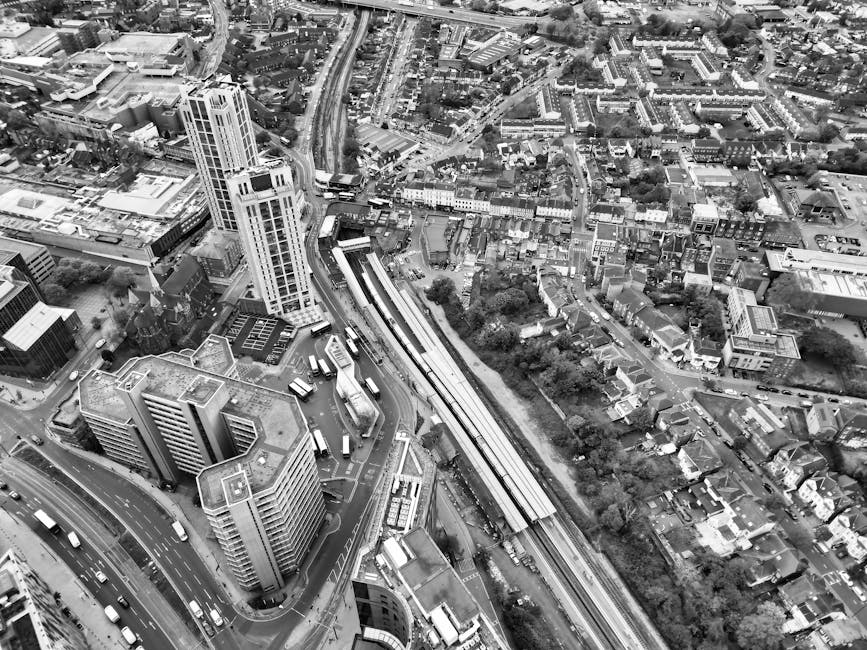
If you are planning a move near Enfield Town station, you probably already know the main challenge: space is tight, timing matters, and one small access issue can turn a straightforward job into a slow, sweaty puzzle. This Enfield Town station removals guide for tight access moves is here to make the whole process feel manageable. Whether you are moving from a compact flat, a shared house, or a business unit with awkward loading space, the right planning makes all the difference.
In practice, tight-access removals are less about brute force and more about smart sequencing. Measure first, move second. Protect the building, protect the furniture, and protect your own nerves while you are at it. That sounds simple, but around busy station roads and narrow approaches, it really matters.
Below, you will find a practical walkthrough covering access checks, vehicle choice, loading tactics, risk reduction, and what to do when the move day goes a bit sideways. We will also look at when it makes sense to use a man and van in Enfield Town, when a larger team is wiser, and how services like packing and boxes in Enfield Town can save time before the van even arrives.
Table of Contents
- Why tight access matters near Enfield Town station
- How tight-access removals work in practice
- Key benefits and practical advantages
- Who this guide is for
- Step-by-step moving guidance
- Expert tips for better results
- Common mistakes to avoid
- Tools, resources and recommendations
- Law, compliance and best practice
- Options and method comparison
- Real-world example
- Practical checklist
- Conclusion
- Frequently asked questions
Why Enfield Town station removals guide for tight access moves Matters
Station-adjacent moves often look simple on paper and then become a bit of a squeeze in real life. There may be limited waiting space, busier pavements, shared entrances, awkward stairwells, or a loading point that is technically nearby but not actually convenient for carrying wardrobes or white goods. That is why a proper Enfield Town station removals guide for tight access moves is useful: it helps you plan for the shape of the move, not just the destination.
Near transport hubs, a few extra factors tend to appear all at once. Traffic can be stop-start. Neighbours are closer than you think. One wrongly parked vehicle can create a chain reaction of frustration. And if you are moving from a flat or upper-floor property, every extra metre between the front door and the vehicle adds time and effort.
To be fair, most moving stress is predictable stress. It is usually not the boxes that cause trouble; it is the access. If you understand the route from property to van, you are already halfway there.
For local context, it can help to understand the wider area too. If you are settling into the neighbourhood, the article on living in Enfield gives a useful sense of what daily life around the station can feel like. That perspective matters when deciding move times, parking strategy, and how much help you need on the day.
How Enfield Town station removals guide for tight access moves Works
Tight-access removals work best when the job is broken into small, predictable stages. The process is not glamorous, but it is reliable. Here is the basic idea: assess the site, plan the route, choose the right vehicle, prepare the items, then load in an order that respects both access and weight.
On move day, the removal team usually needs three things to line up: a practical stopping point, a clear path in and out of the property, and enough time to work without constantly shuffling the van. If any one of those is off, the pace slows down. Sometimes dramatically.
In a station-area move, you may also need to think about:
- short-stay loading or waiting restrictions
- narrow access lanes and turning space
- shared hallways or staircases
- lift availability and booking windows
- how far items must be carried to the vehicle
- weather, especially rain making steps and paths slippery
That is where a smaller vehicle or a flexible crew can be a real advantage. A large lorry might sound impressive, but if it cannot get close enough to the property, you lose time on hand-carry distance. Sometimes a more compact setup is the smarter choice, and that is exactly why people look at options like a removal van in Enfield Town or man with a van support for local access-heavy moves.
Key Benefits and Practical Advantages
There are a few clear reasons people choose a planned tight-access move rather than trying to improvise on the day. The biggest one is calm. A second is control. And yes, saving time is part of it too, though people often notice the reduced stress more than the minutes saved.
Here are the main advantages:
- Less carrying distance: If the vehicle is positioned well, bulky items move faster and with less risk of knocks.
- Better protection for property: Careful routing reduces damage to walls, banisters, floors, and shared entrances.
- Fewer delays: A well-planned access strategy stops the van from sitting idle while people rearrange parking or move items twice.
- Safer handling: Narrow stairs and awkward corners are where injuries and damage tend to happen. Planning reduces both.
- More accurate quotes: When the access is understood in advance, pricing and scheduling are usually more realistic.
There is also a practical benefit that people forget: confidence. Once you know the route, the vehicle size, and the lift or stair situation, the whole day feels less fragile. That matters more than it sounds. Moves are tiring enough without mystery variables.
If you are comparing different types of service, it may help to read about removal services in Enfield Town and general removals in Enfield Town so you can match the support level to your property layout.
Who This Is For and When It Makes Sense
This guide is especially useful if you are moving from or to a property close to Enfield Town station and any of the following sound familiar:
- the road is busy and parking is limited
- your property sits above street level
- the entrance is down a narrow passage or shared hallway
- you have heavy furniture, fragile items, or awkward shapes
- you are on a timetable and need the move done efficiently
- you are moving alone and need practical help rather than a huge crew
It is also a good fit for people doing a partial move. Maybe you are only taking some furniture, boxes, and one troublesome item that no one wants to lift twice. In those cases, services like flat removals in Enfield Town can be more suitable than a full-scale household move.
Students, renters, first-time buyers, and office movers all run into tight access in different ways. For students, timing and speed often matter most. For offices, lifting equipment and clear building rules matter more. For household moves, it is usually the staircase or parking that becomes the deciding factor. Different problem, same headache.
And sometimes the move is urgent. If that is the case, you may want to look at same day removals in Enfield Town, though in fairness, the more notice you have, the smoother tight-access planning tends to be.
Step-by-Step Guidance
Here is the part that saves the most trouble. Follow the sequence and you will avoid a lot of last-minute scrambling.
1) Survey the access route before anything is booked
Start at the van and walk the route to the front door. Look at the width of the pavement, kerbs, steps, intercom access, door swing, stair turns, and any places where two people cannot pass comfortably. If you can, measure the widest and narrowest points. A tape measure is boring until it prevents a sofa from getting stuck. Then it becomes heroic.
2) Identify loading restrictions and sensible stopping points
Station areas often have more movement than you expect. A stopping point that looks fine in the morning may be awkward later in the day. Think about whether the vehicle can pull in without blocking traffic, whether there is room to open doors safely, and whether the load point is close enough to keep carry distance short.
3) Match the vehicle to the access, not the wish list
A larger van is not automatically better. In tight access, the right vehicle is the one that can get closest and work safely. If the route is especially restrictive, a smaller removal van or a flexible man and van setup may be the smarter call.
4) Pre-pack with lift and carry distance in mind
Heavy items should be packed so they are manageable on stairs and through narrow doors. Use smaller boxes for books, secure lids properly, and keep the weight balanced. This is one of those practical details that feels minor right up until someone nearly drops a box on a landing.
5) Load in the correct order
Items that come off first should usually go on last, and bulky items should be secured to stop shifting in transit. In a tight-access move, this matters because reloading later is time-consuming. Organise the van so the route into the property at delivery is just as efficient as the route out.
6) Protect the building as you go
Use floor protection, edge guards, and furniture blankets where necessary. Shared hallways and staircases can take a beating if people rush. A slow, controlled pace is almost always better than trying to power through and hoping for the best.
7) Leave a buffer for the unexpected
Maybe a neighbour parks too close. Maybe the lift is busy. Maybe rain makes the entrance slower to use. Build a bit of buffer into the plan. Tight-access work is rarely ruined by one big disaster; it is usually the small delays that stack up.
Expert Tips for Better Results
In our experience, the best tight-access moves are rarely the most dramatic ones. They are the ones that feel a little over-prepared. A bit of caution goes a long way.
Tip 1: Photograph the access route before move day. This is especially useful if you need to brief a removal team, arrange parking, or explain a tricky entrance. Photos reveal things memory misses. You will notice the low wall, the awkward turn, the tree branch just a bit too low.
Tip 2: Keep essentials separate. Your kettle, documents, chargers, toiletries, and a change of clothes should not disappear into the main load. If the move takes longer than expected, these are the items that keep the day feeling normal. Small thing, big comfort.
Tip 3: Use smaller boxes for dense items. Books, crockery, and files become awkward very fast when packed into oversized boxes. Smaller boxes are easier to carry through narrow halls and up stairs. Simple rule, but people forget it all the time.
Tip 4: Protect corners and doorframes early. Damage often happens because people think they can "just be careful" without setting anything up. Truth be told, careful alone is not enough if you are carrying a wardrobe through a tight turn.
Tip 5: Choose a move time that suits the street, not just your diary. Early starts can be useful because roads tend to be calmer and access can be easier. But do check building rules and neighbour practicality. A good removal team will help you balance this, especially if you are using removal companies in Enfield Town for a more structured move.
Tip 6: Ask for help with awkward items. Pianos, antique pieces, and large mirrors are not the items to improvise with. If you have anything delicate or unusually heavy, a specialist service may be the safer route. For example, piano removals in Enfield Town exists for a reason. A piano is basically a very expensive argument with gravity.
Common Mistakes to Avoid
Most problems in tight-access removals come from assumptions. The route looks fine. The van will probably fit. Someone will probably be home to open the gate. Probably is a risky word on moving day.
- Underestimating carry distance: Ten extra metres sounds small until you repeat it thirty times.
- Booking the wrong size vehicle: Too big can be just as awkward as too small.
- Leaving packing until the last minute: Rushed packing leads to broken items and slower loading.
- Ignoring stair width and turning space: Some furniture simply will not make it around a corner without planning.
- Forgetting permits, building instructions, or access codes: Tiny admin problems can stop a move cold.
- Not protecting communal areas: That can lead to complaints, scratches, and unnecessary stress.
Another common one is assuming every item can be moved in one go. Sometimes the smarter move is to split the load, especially for furniture-heavy flats. That is where a service such as furniture removals in Enfield Town can really simplify things.
And do not overlook paperwork. It is not exciting, granted, but being clear about timings, payment, access details, and expectations makes the day much easier to manage. If you want to understand the operational side, payment and security is worth a look.
Tools, Resources and Recommendations
You do not need a warehouse full of gear to handle a tight-access move well. A handful of practical tools is usually enough.
| Tool or resource | Why it helps | Best use case |
|---|---|---|
| Measuring tape | Confirms widths, heights, and turning points | Doorways, stair turns, furniture dimensions |
| Furniture blankets | Reduces scratches and impact damage | Wardrobes, tables, white goods |
| Hump straps or lifting straps | Helps distribute weight more safely | Heavy boxes, appliances, bulky items |
| Floor protection | Protects communal and private flooring | Hallways, stairs, entry points |
| Labelled boxes | Speeds up unloading and room placement | Any move with limited access time |
On the service side, a few pages can help you compare your options without overcomplicating it. If you are unsure what type of move support you need, start with the services overview. If you are moving from a smaller property, man with a van in Enfield Town may be enough. If your move is more substantial, house removals in Enfield Town is the better comparison point.
For people between properties, storage can be a sensible pressure valve. It keeps access simple and reduces the chance of clutter blocking hallways on the day. You can also look at storage in Enfield Town if your move is split across dates.
Law, Compliance, Standards, or Best Practice
This topic does involve practical safety and building management, so careful adherence to best practice is important. The exact rules will vary depending on the property, the street, and the building, but the general expectations are familiar in the UK removals trade.
Here are the areas to keep in mind:
- Parking and access: Always check local restrictions and building rules before assuming a van can stop nearby.
- Health and safety: Proper lifting technique, route clearing, and hazard awareness reduce the risk of injury.
- Insurance: Any professional move should take reasonable care with goods and property. It is sensible to confirm cover details in advance.
- Building etiquette: Communal areas should be protected and left tidy. That is basic professionalism, not a bonus.
- Accessibility considerations: If the building has residents or visitors with mobility needs, access planning should avoid blocking essential routes.
Good removal practice is often about the little things: communicating arrival times clearly, using suitable equipment, and not forcing furniture through spaces where it does not belong. If you want a stronger sense of the company's standards, the pages on insurance and safety, health and safety policy, and accessibility statement are relevant touchpoints.
One more practical point: if you are moving business equipment, plan for continuity. A short delay at the station end can affect your whole day. Office moves need a little more coordination than people expect, which is why office removals in Enfield Town may be the better fit for work-related relocations.
Options, Methods, or Comparison Table
Not every tight-access move needs the same setup. The best choice depends on volume, building access, and how much heavy lifting is involved. Here is a straightforward comparison.
| Option | Best for | Strengths | Trade-offs |
|---|---|---|---|
| Man and van | Smaller moves, single flats, lighter loads | Flexible, practical, easier in tight streets | Less suited to bigger household loads |
| Removal van with tailored loading | Medium moves with awkward access | Better capacity, still manageable in local streets | Needs careful route planning |
| Full removals team | Large homes, many rooms, heavier items | Efficient handling, more manpower, less strain | Usually more involved to arrange |
| Self-managed move | Very small volumes and simple access | Low upfront complexity | Higher physical effort, more risk in awkward properties |
If your move is mostly boxes with a few furniture items, a focused setup can be ideal. If you are moving a family property or multiple heavy pieces, a fuller service is usually the safer choice. There is no prize for making it harder than it needs to be.
Case Study or Real-World Example
Here is a realistic scenario. A renter leaves a top-floor flat a short walk from the station. The street is narrow, parking is awkward, and the stairwell has one tight turn halfway down. The move itself is not huge: a bed frame, two wardrobes, a desk, a sofa, and about twenty boxes. Sounds manageable. But only if the access is planned.
What works well in a case like this?
- The team arrives with a compact vehicle positioned as close as possible to the entrance.
- Heavy furniture is wrapped before leaving the flat, not after it is halfway down the stairs.
- Boxes are numbered so the loading order matches the unloading order.
- One person stays focused on the stair route while another manages the van and item sequencing.
- Any fragile or awkward items are separated early, not mixed into the general load.
The result is not magic. It is just controlled effort. The move is quicker, the flat gets left in better condition, and the van is not constantly being reconfigured. That is the real win.
A small note from experience: people often think the hardest item is the largest one. Not always. Sometimes it is the item with the bad shape, the fragile corners, and the weird balance. Those are the ones that make everyone go quiet for a second. You know the type.
Practical Checklist
Use this checklist before move day. Print it, copy it, scribble on it, whatever works for you.
- Measure the front door, hallway, staircase turns, and any tight external access points.
- Confirm where the vehicle can stop without blocking traffic or access.
- Check building instructions, entry codes, lift booking, and moving time limits.
- Label boxes by room and note fragile contents clearly.
- Pack heavy items into smaller boxes.
- Wrap furniture and protect corners before carrying begins.
- Set aside essentials for the first night.
- Confirm insurance, payment details, and any special handling needs.
- Keep paths, hallways, and stairwells clear.
- Have a backup plan if parking or access changes on the day.
And one tiny but useful thing: keep a bottle of water and a charger within reach. The move will thank you for it. Honestly, so will you.
Conclusion
A tight-access move near Enfield Town station does not have to feel complicated. Once you understand the route, the parking, the building layout, and the type of support you actually need, the job becomes much more predictable. That is really the heart of this guide: plan the access properly and the rest follows.
Whether you are moving from a flat, relocating a house, handling office items, or shifting a few bulky pieces, the safest and easiest approach is nearly always the one that respects the space in front of you. Not dramatic, just sensible. And in removals, sensible wins more often than people expect.
If you are comparing service levels or timing, take a moment to review pricing and quotes alongside the move type you have in mind. It can help you decide what is practical without overpaying for support you do not need.
Get a free quote today and see how much you can save.
With a clear plan and the right help, even a tricky station-area move can feel calm enough. Maybe not fun. Let's not get carried away. But definitely manageable, and that counts for a lot.